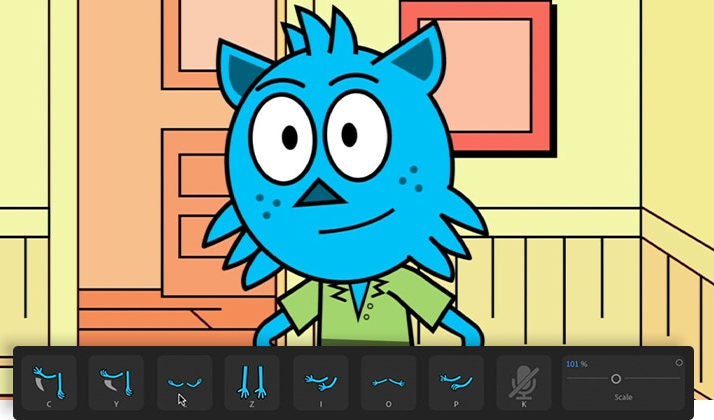
In a digital landscape where the average attention span is measured in seconds, the ability to stop a scroll is the ultimate competitive advantage. Static images often blend into the background, and standard talking-head videos can sometimes feel repetitive. This is where the magic of movement comes in. Animation has evolved from a niche medium reserved for Hollywood studios into one of the most versatile tools in a communicator’s arsenal. It breaks the laws of physics, simplifies the complex, and speaks a universal language that resonates across cultures and age groups.
The beauty of contemporary design is that you no longer need a degree in computer science or a massive production budget to bring your ideas to life. Whether you are a small business owner trying to explain a new service, a teacher looking to engage students, or a social media manager aiming for higher engagement, making a video animation has become remarkably accessible. By leveraging intuitive web-based tools, anyone can transform a flat concept into a dynamic narrative. This shift has democratized creativity, allowing the focus to move away from technical hurdles and back toward what really matters: the story you are trying to tell.
Breaking the Barrier: Why Movement Matters
Psychologically, the human eye is hardwired to track movement. It’s a survival instinct that has transitioned perfectly into the world of marketing and education. When a character blinks, a graph grows, or a logo bounces, our brains naturally prioritize that information over static text.
But beyond just “catching the eye,” animation allows for a level of abstraction that live-action video simply cannot match. If you’re selling a cloud-based software, showing a server room is boring. However, animating data packets flying through a stylized digital sky makes the concept feel tangible and exciting. It allows brands to build worlds that align perfectly with their visual identity—using specific color palettes, character styles, and transitions that reinforce brand recognition.
The Three Pillars of Effective Animation
To create something that truly resonates, you need more than just moving parts. Professional-grade animation relies on three core elements:
1. Purposeful Pacing
The rhythm of your animation dictates the emotional response of the viewer. Fast, snappy transitions suggest energy, innovation, and excitement. Slower, smoother movements convey reliability, elegance, and calm. Before you start designing, ask yourself: How do I want the viewer to feel? Match the “physics” of your objects to that emotion.
2. Character and Personality
Even if you aren’t using a literal human character, your animation should have a personality. This is often achieved through “secondary motion” the little details like a slight bounce when a menu slides in or a gentle sway of a background element. These small touches make the digital environment feel “alive” rather than clinical.
3. Visual Hierarchy
Just like in print design, you must guide the viewer’s eye. Use movement to point toward your most important information. If a “Sign Up Now” button does a subtle pulse while the rest of the screen is still, the viewer’s gaze is naturally drawn to the call to action without the need for aggressive pointing or flashing lights.
![An illustrator’s hand sketching a storyboard on a tablet, showing the transition frames of a simple bouncing ball and a walking character.]
Practical Applications for Every Industry
We often think of animation in terms of cartoons, but its utility in the professional world is vast. Here are a few ways different sectors are utilizing motion design today:
- E-commerce: Instead of a gallery of photos, brands are using short “lookbook” animations where clothes flow or accessories rotate 360 degrees. This reduces the “uncertainty gap” for the buyer.
- Education & Training: Complex “how-to” guides are much easier to digest when broken down into animated steps. It removes the clutter of a real-world environment and focuses solely on the task at hand.
- Non-Profits: Animation is a powerful tool for data visualization. Showing a map that changes over time to reflect environmental impact or social progress is far more moving than a spreadsheet of numbers.
Expert Tip: The Power of the “Storyboard”
One mistake many beginners make is jumping straight into a design tool without a plan. Even the pros at the biggest studios start with a pencil and paper. Sketch out your “key moments.”
What is the first thing the viewer sees? What is the “climax” or main message? What is the final takeaway? By mapping these out, you ensure that your animation has a logical flow. It prevents the final product from feeling like a collection of random effects and turns it into a cohesive narrative. Remember, animation should always serve the story, not distract from it.
Sound: The Unsung Hero of Motion
While we focus on the visuals, audio is 50% of the experience. A subtle “whoosh” sound when an object flies off-screen or a light “click” when a button appears adds a layer of tactile satisfaction for the viewer. This is known as foley in the film world, and in short-form animation, it provides the sensory feedback that makes the digital world feel “real.”
If your animation includes a voiceover, ensure the movements are synced to the emphasis of the speaker. When the narrator says “growth,” that’s the moment your bar chart should rise. This synchronization reinforces the message in the viewer’s memory, making the information much “stickier.”
Moving Toward a More Dynamic Future
As we look toward the future of digital communication, the line between “designer” and “content creator” continues to blur. The tools are getting smarter, but the need for human creativity remains constant. Animation isn’t about flashy tricks; it’s about empathy, understanding how to communicate an idea in a way that is easiest and most enjoyable for another human being to consume.
By embracing movement, you aren’t just making things look pretty. You are respecting your audience’s time by providing a clearer, faster, and more engaging way to understand what you have to offer. The barrier to entry has never been lower, and the potential for impact has never been higher.
It is time to move beyond the static and start thinking in motion. Whether it’s a five-second logo reveal or a two-minute explainer, every frame is an opportunity to connect, to teach, and to inspire. The canvas is waiting, it’s time to make it move.